We are coming up to that thrilling time of year again, when animation filmmakers and students flock to the Annecy International Animation Film Festival taking place from June 11-17 in Annecy, France. The festival is the world’s largest animation film festival and it is always an amazing experience, a showcase for the best in contemporary animation where attendees zealously wait to see which new and exciting films will be shown.

One of the outstanding features of Annecy is its sense of community. Animation lovers from all over the world come together to share their passion for the art form. One always feels a part of something special at Annecy. With so many workshops, panels, and masterclasses to choose from, Annecy is a great place to learn about all aspects of animation, and to come away from the festival with new knowledge and insights about the potential of frame-by-frame filmmaking techniques.

As arguably the most prestigious of all animation film festivals, winning at Annecy can make your film eligible to be nominated for an Oscar or a BAFTA. One of the most admirable qualities of this festival is how films are admirably selected for their merits in moving the art of animation forward, either by the use of bold narrative or by the choice of cutting-edge graphics and ideas.

Each year the festival chooses one country to highlight with programs of national films past and present for screening. In 2023 the country selected is Mexico, whose history with animation began in 1915. Most festival-goers will be unfamiliar with Mexican animation, thus new discoveries and surprises await those in attendance. This focus on Mexico arrives at a particularly opportune time, as the stop-motion animated film “Guillermo del Toro’s Pinocchio”, partially made in Mexico, recently won the Oscar for best Animated Feature Film.

Another exciting aspect of this festival is that it adapts and changes with the times. For example, when the new technology of Virtual Reality games and animation began appearing, Annecy added a unique demonstration venue for these VR projects. This year, for the first time, LGBTQ films are being highlighted in several themed programs, as festival programmers noticed an increasing number of graduation and professional films and filmmakers tackling gender and diversity issues. In addition, acclaimed British stop-motion animator Barry J. C. Purves will be honored with an Honorary Cristal award for his groundbreaking work representing gay characters and themes in animation. He will also be giving a masterclass focusing on his animation and storytelling techniques, sure to be a highlight of the festival.
Here is a more detailed look at some of the film screenings and activities happening during the 2023 Annecy International Animation Film Festival:

Official Selection: The Official Selection is the heart of the Annecy International Animation Film Festival. It features a competition of the best animated films from around the world. The competition includes films in all genres, from short films to feature films. The films in the Official Selection are judged by a panel of experts, and the winners are announced at the Closing Ceremony where the Annecy Cristal awards are presented in the categories of Best Short Film, Feature Film, Television Production, Commissioned Film, Student Graduation Film, and Virtual Reality.

Off-Limits: The Off-Limits and Perspective programs showcase experimental and avant-garde animation. It features films that push the boundaries of animation and explore new forms of expression.
Young Audiences: The Young Audiences program is a showcase of films for children and families. It features films that are both entertaining and educational, and that promote positive values.
MIFA: The International Animation Film Market for animated films and TV series is a place where producers, distributors, and broadcasters can come together to find new projects and make deals. Recruitment for animation studios happens here as well.
Masterclasses: The Festival features a number of masterclasses with leading animators. These classes and forums are a great opportunity to learn from masterful animation creators and to get insights into the creative process.
Classics Screening Events: Screenings of classic animated films is a unique opportunity to see some of the most important and influential animated films ever made.
The Annecy Festival also features a number of concerts, art exhibitions, and open-air feature film screenings scattered throughout the town. Bear in mind that the scope and scale of the festival can be overwhelming if you’re not accustomed to it. The number of attendees grows with each edition. In fact, last year broke all attendance records for the festival in spite of the pandemic.
Much more information on the festival can be found on its website https://www.annecyfestival.com/home
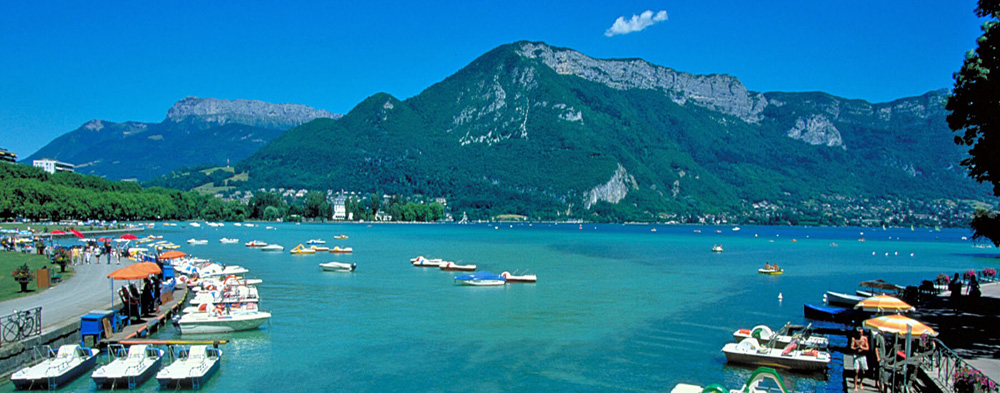
The 2023 Annecy International Animation Film Festival is a great opportunity to see the latest and greatest in animation, and to meet and learn from the people who make it. I have been to Annecy several times before, and it’s always been exceptional. The historic city is beautiful, situated on a pristine lake surrounded by the French Alps, and the festival is packed with great films, workshops, and events. I always come away from the festival feeling inspired and energized.
So will you. Annecy is truly magnifique!
– Larry Ruppel
Larry Ruppel is a journalist who writes and reports on the subject of animation worldwide. He graduated from Pratt Institute and NYU’s Tisch School of the Arts.